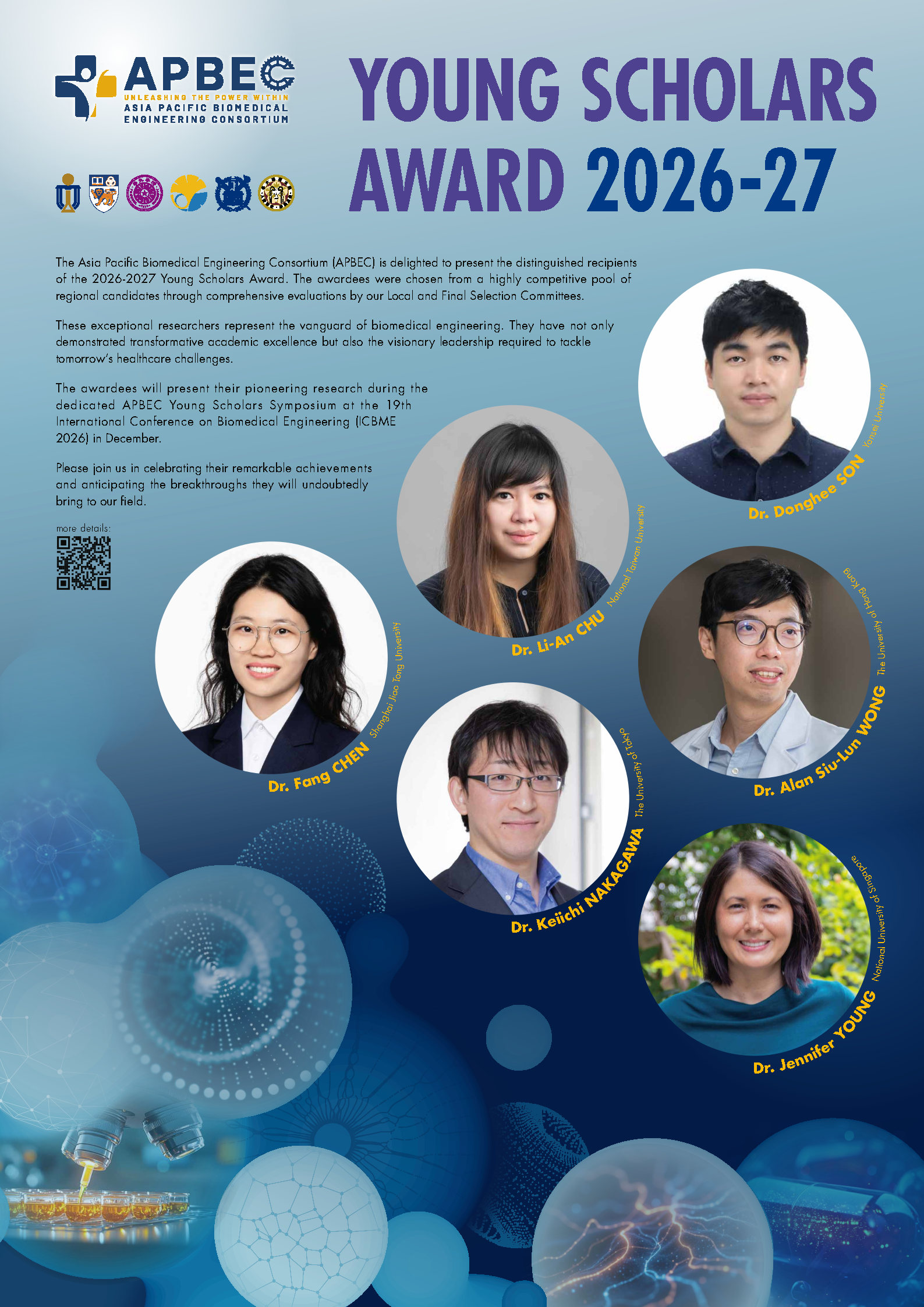
APBEC Young Scholars
2026-2027 Awardees
The Asia Pacific Biomedical Engineering Consortium (APBEC) is delighted to present the distinguished recipients of the 2026-2027 Young Scholars Award. The awardees were chosen from a highly competitive pool of regional candidates through comprehensive evaluations by our Local and Final Selection Committees.
These exceptional researchers represent the vanguard of biomedical engineering. They have not only demonstrated transformative academic excellence but also the visionary leadership required to tackle tomorrow's healthcare challenges.
The awardees will present their pioneering research during the dedicated APBEC Young Scholars Symposium at the 19th International Conference on Biomedical Engineering (ICBME 2026) in December in Singapore.
Please join us in celebrating their remarkable achievements and anticipating the breakthroughs they will undoubtedly bring to our field.
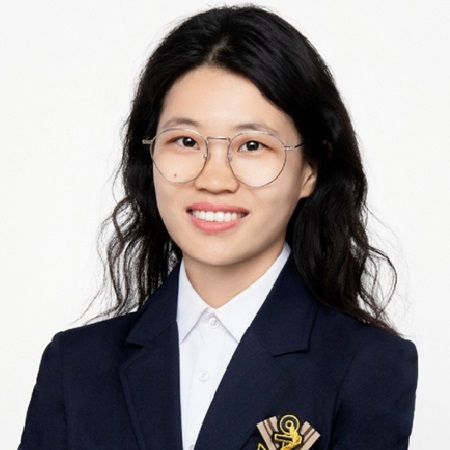
Shanghai Jiao Tong University
Dr. Fang CHEN is a tenured Associate Professor in the School of Biomedical Engineering at Shanghai Jiao Tong University. She obtained her Ph.D. from Tsinghua University. Her research focuses on intelligent surgical navigation, intelligent perception for surgical robots, and computer-assisted surgery—fields in which she has led more than ten scientific research projects. She also serves as an Associate Editor for Computerized Medical Imaging and Graphics (CMIG). Dr. Chen has received multiple prestigious honors, including the ACCAS 2024 Best Paper Award and the First Prize at the 14th National Youth Science and Technology Forum in Medicine and Health.
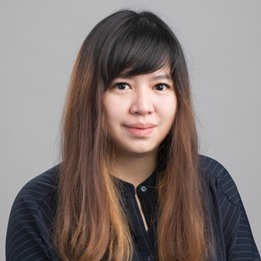
National Taiwan University
Dr. Li-An CHU is an Associate Professor in the Department of Biomedical Engineering at National Taiwan University. Her pioneering research focuses on developing high-speed, super-resolution microscopic imaging and large-volume 3D image analysis techniques. Notably, she developed the world's first whole-tissue clearing and multiplex staining method for centimeter-sized paraffin-embedded samples. Her innovative work spans applications in neuroscience, drug delivery, neural repair, and biochip technologies. Dr. Chu has received numerous accolades, including the National Innovation Award and Future Tech Awards, and founded the startup Nebulum Technology to expand the clinical and pharmaceutical applications of large-tissue imaging.
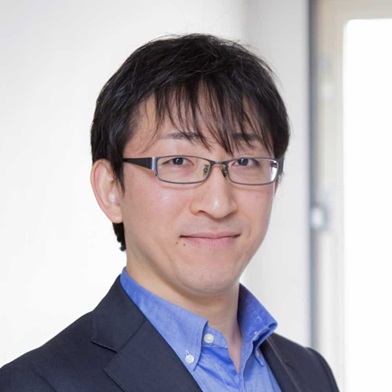
The University of Tokyo
Dr. Keiichi NAKAGAWA is an Associate Professor in the Department of Bioengineering and the Department of Precision Engineering at The University of Tokyo. He received his Ph.D. in Precision Engineering from The University of Tokyo in 2014 and subsequently conducted postdoctoral research at The University of Tokyo and the Massachusetts Institute of Technology. His research integrates optical engineering, acoustic engineering, and ultrafast science to develop advanced biomedical imaging and therapeutic technologies. His group pioneered single-shot ultrafast imaging methods, including Sequentially Timed All-optical Mapping Photography, and applies them to visualize acoustic interactions with cells, tissues, and deep biological systems. He has received national honours, including the Young Scientists’ Award from Japan’s Ministry of Education, Culture, Sports, Science and Technology.
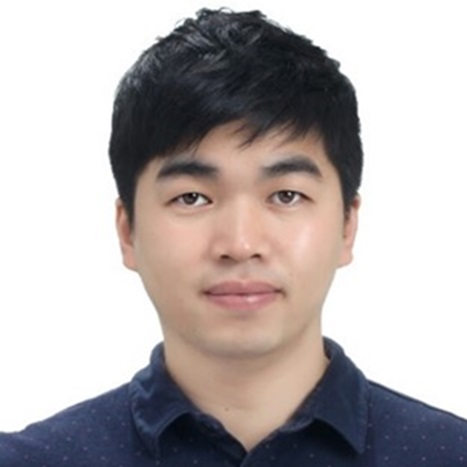
Yonsei University
Dr. Donghee SON is currently a Tenured Associate Professor in the Department of Chemical and Biomolecular Engineering at Yonsei University. He received his Ph.D. in Chemical and Biological Engineering from Seoul National University. His research group develops high performance soft bioelectronics based on self-healing and intrinsically stretchable materials and devices. His primary research focuses on developing implantable bioelectronic systems for the nervous system, including the brain, peripheral nerves, and vagus nerve, as well as the heart, skeletal muscles, with the ultimate goal of enabling personalized diagnosis and treatment of intractable diseases. More recently, he has been developing tissue-adhesive bioelectronic materials and devices that establish stable, long-term interfaces with biological tissues. These platforms enable high fidelity electrophysiological signal acquisition over extended periods, thereby facilitating precise diagnosis, closed-loop monitoring, and targeted therapeutic interventions.
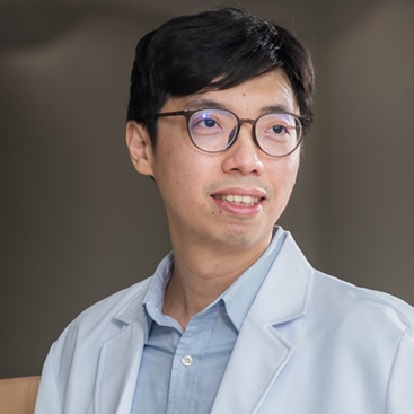
The University of Hong Kong
Dr. Alan Siu-lun WONG is an Associate Professor at School of Biomedical Sciences of The University of Hong Kong (HKU). His research takes an integrative approach leveraging synthetic biology, CRISPR-based genome engineering, and combinatorial genetics to decode the complex genetics of human diseases, as well as engineer gene editing tools for providing new biomedical solutions. He was awarded the Croucher Foundation Fellowship (2012), Hong Kong Institution of Science Young Scientist Award in Life Science (2011), RGC Early Career Award (2016), HKUMed Outstanding Research Output Award (2020), NSFC Excellent Young Scientists Award (Hong Kong and Macau) (2020), and the BOCHK Science and Technology Innovation Prize in Life and Health (2023).
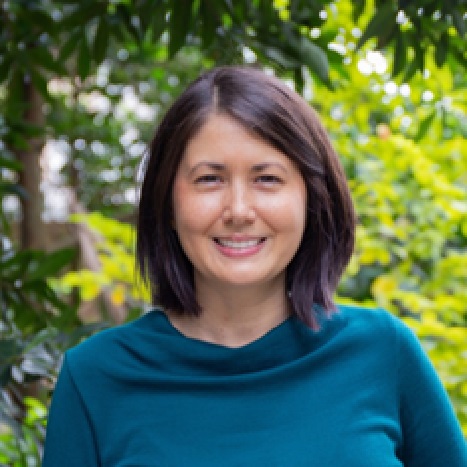
National University of Singapore
Dr. Jennifer YOUNG was trained as a biomedical engineer at the University of California, San Diego. During her Ph.D. with Prof. Adam Engler, she studied the role of mechanics in cardiac development and created a hydrogel system capable of mimicking dynamic tissue properties in vitro. Inspired by the role of extracellular matrix (ECM) in dictating cell behaviour and fate, she joined the Cellular Biophysics group of Prof. Joachim Spatz at the Max Planck Institute for Medical Research to study how nanoscale ECM cues regulate cancer cell function. She established the Soft Nano-Biomaterials Lab in 2021 at the Mechanobiology Institute and Biomedical Engineering Department, National University of Singapore where her work focuses on identifying and mimicking nano-to-microscale matrix properties and unravelling their contributions to cellular behaviour.